“Have hunger, will travel” seems to be the motto of foodies everywhere, many of whom are more than willing to trek a couple miles—or a couple hundred—to cross something off their dining bucket lists. We’ve rounded up a handful of regional destinations (plus where to eat, stay and what to do in each) that have bucket-list-worthy eats in spades.
_____________________________________________________

Surrounded by the Blue Ridge and Great Smoky Mountains lies Asheville, known for its culture, vibrant art scene, historic architecture, and, of course, the food. If you’re looking for a rural getaway in your vacation, Asheville is the place to go.
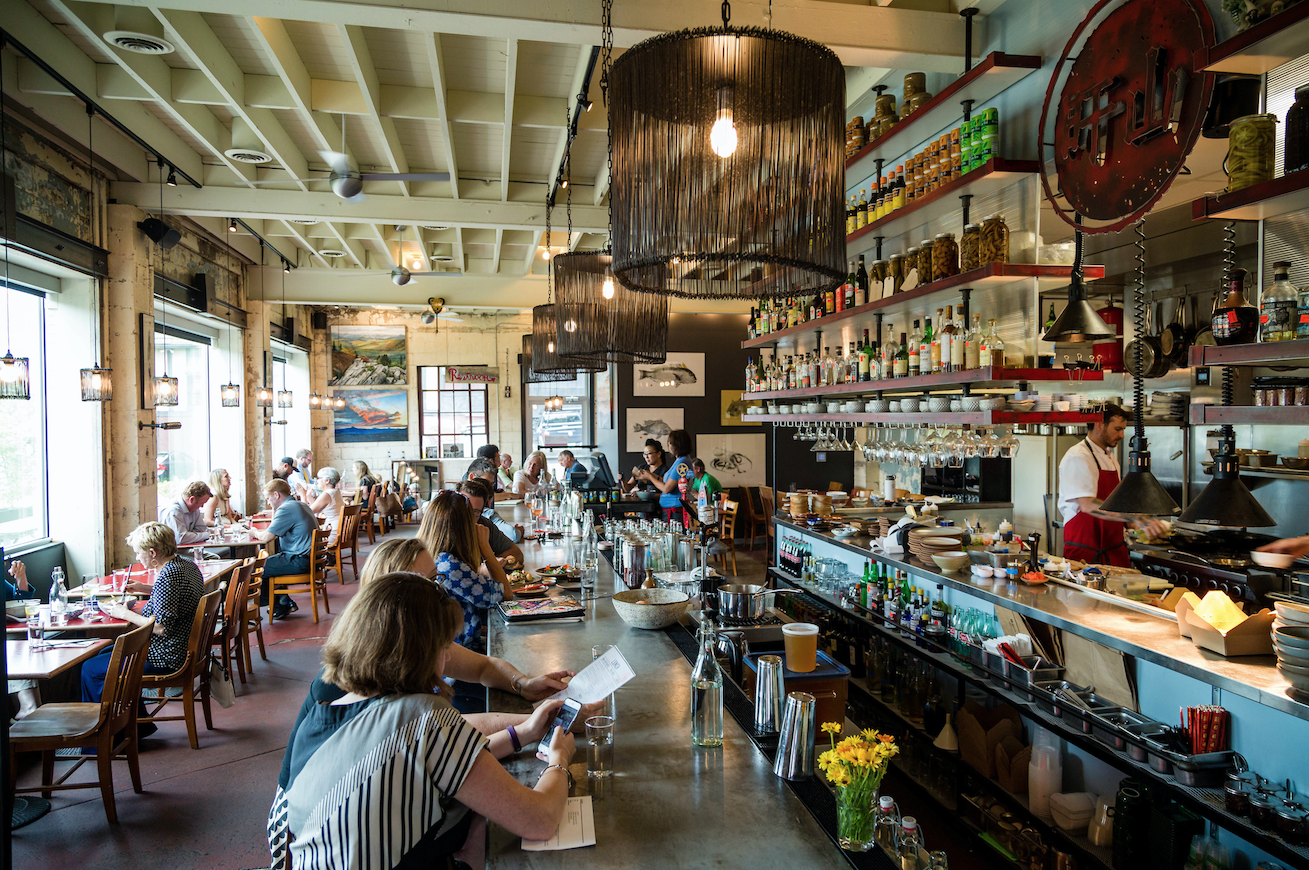
 Asheville’s first James Beard semi-finalist Chef Jacob Sessoms opened his newest venture —All Day Darling— with another of the region’s culinary personalities, High Five Coffee owner Jay Weatherly. The duo’s new restaurant is open seven days a week, and all menu items are served all day, which means patrons can nosh on Hawaiian rolls or gluten- free pancakes for breakfast or dinner. • Located on Charlotte Street, Gan Shan Station (pictured) serves Asian flavors using only locally sourced ingredients. The menu changes frequently with Asheville’s growing seasons, though standard offerings include pan-fried dumplings and pad Thai. More adventurous diners can opt for the reservation-only tasting option, where guests are seated at the chef’s table alongside the kitchen, where they can watch the staff cook a specially tailored eight-to twelve-course meal.

 Part of Hilton’s Curio Collection, the Asheville Foundry Hotel (pictured) is so named for its location in a building that once forged steel for nearby Biltmore Estate. Today, it’s home to plush rooms, a chic bar with live music nightly, and Benne on Eagle, a soul-food-done-chic eatery serving everything from onion-braised rabbit to grilled and smothered pork chops. Rates begin at $190. • The 128-room Hotel Arras—slated for a September 2019 opening—is nestled just steps away from galleries, shops, breweries, cafes, and nearby hiking trails and waterfalls. Travelers can enjoy fresh pasta and craft cocktails at on-property restaurant Bargello and view commissioned local art throughout the hotel. Rates begin at $237.

 From September 12-15, Asheville celebrates the Appalachian chefs, farmers and makers who create the area’s regional culinary identity at Chow Chow, a festival featuring a Soul Food walking tour, foraged feasts, pottery workshops, and more. • Take a tour at The Biltmore Estate, America’s largest privately owned home built for George Vanderbilt, then stop at the on-site winery (pictured) for a tasting.
_____________________________________________________

In recent years, the unbridled growth in Atlanta has allowed for ambitious projects such as the transformation of the Beltline, and the development of spaces such as Ponce City Market and the Westside Provisions district. There’s still plenty of Southern charm in Atlanta, but today, comfort meets high style.
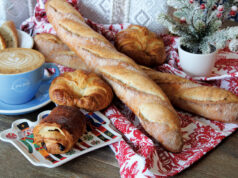
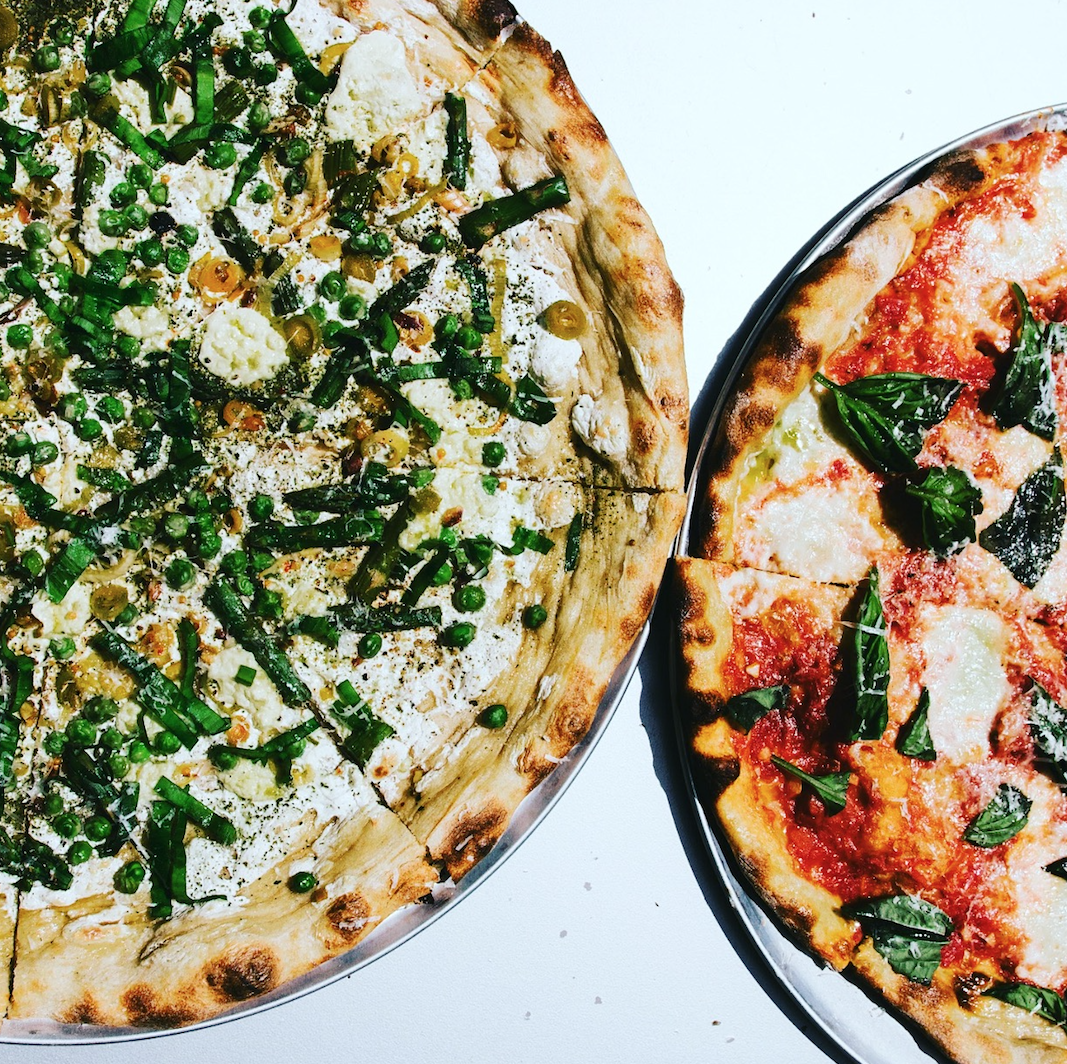 Originally launched in Charleston, Root Baking Co. (pictured) opened in Atlanta in the fall of 2018. Located in Ponce City Market, Root makes fresh breads and pastries everyday, along with breakfast, lunch, and dinner. There’s also an all-weekend brunch Saturdays and Sundays from 8 AM to 8 PM. Offerings include a new take on the classic breakfast sandwich with sorghum glazed ham, cheddar, and mustard greens, all stuffed in a flakey croissant. • What’s a trip to Atlanta without a taste of soul food? Paschal’s was opened in 1947 as a luncheonette by brothers Robert and James Paschal. As the business grew, it expanded to dinner and Robert’s famous, secret recipe fried chicken was born. The food is decadent, delicious and crave-worthy and the restaurant is an institution in every sense. During the Civil Rights era, it served as a meeting place for leaders like Dr. Martin Luther King Jr. Today, the brothers have passed, but the restaurant is still run by family, still serving chicken, and still urging patrons to end their meal with a bowl of peach cobbler.
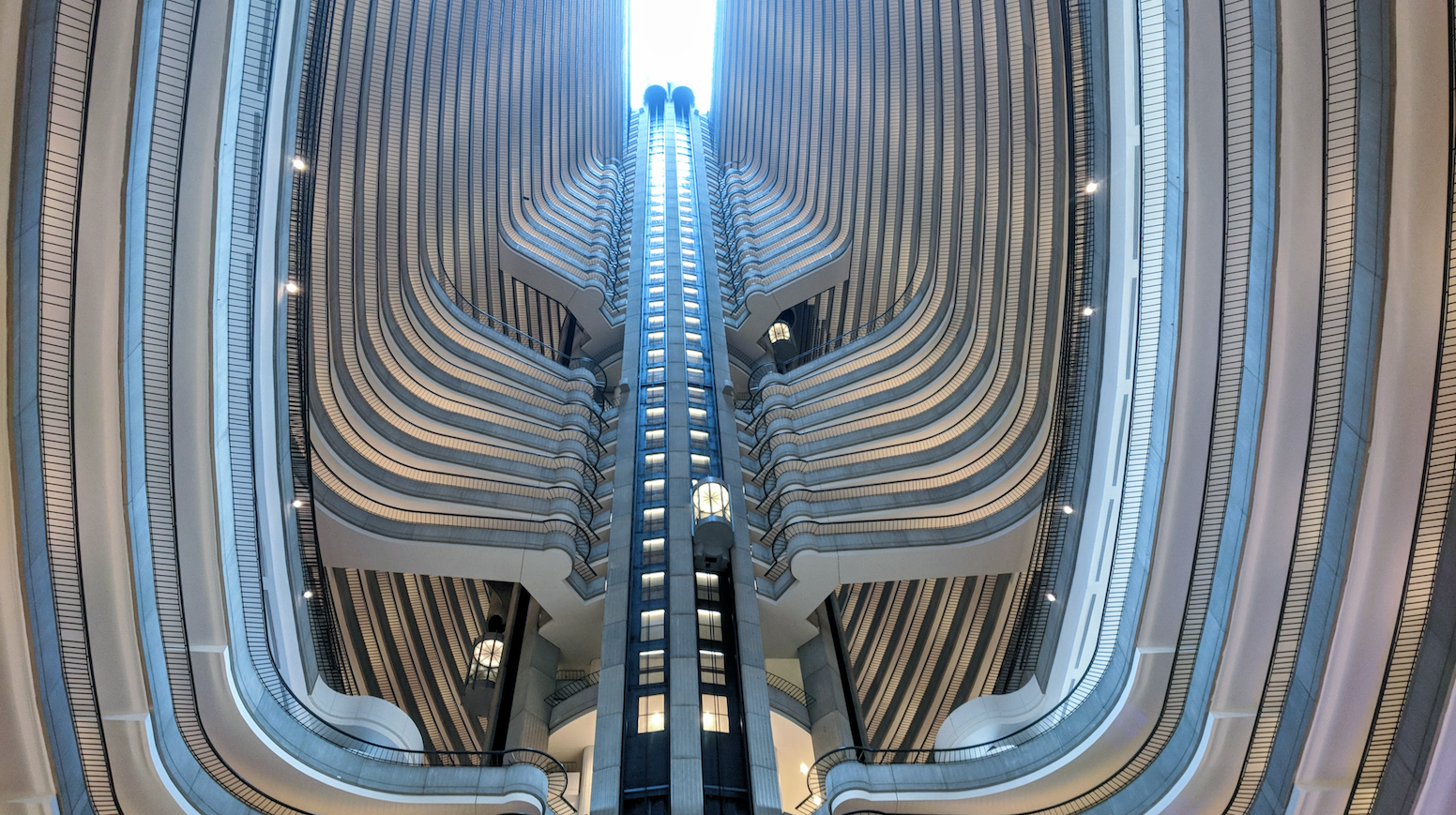 In the heart of Downtown, the Hilton sits steps away from major attractions. If you’re looking for food, the hotel definitely isn’t lacking it. Guests can relax and order in-room dining all day, get dressed up and check out the AAA Four-Diamond award winning Nikolia’s Roof, or select from a range of nearby casual options. Rates begin at $133. • The Atlanta Marriot Marquis (pictured) is just minutes from the Atlanta Airport, but isn’t lacking in all the necessary amenities: room service, smart TVs in each rooms and 52-stories with views of the city among them. At the on-site High Velocity sports bar, patrons can nosh on onion rings, extra large warm pretzels, shrimp tacos, and more. Rates begin at $140.
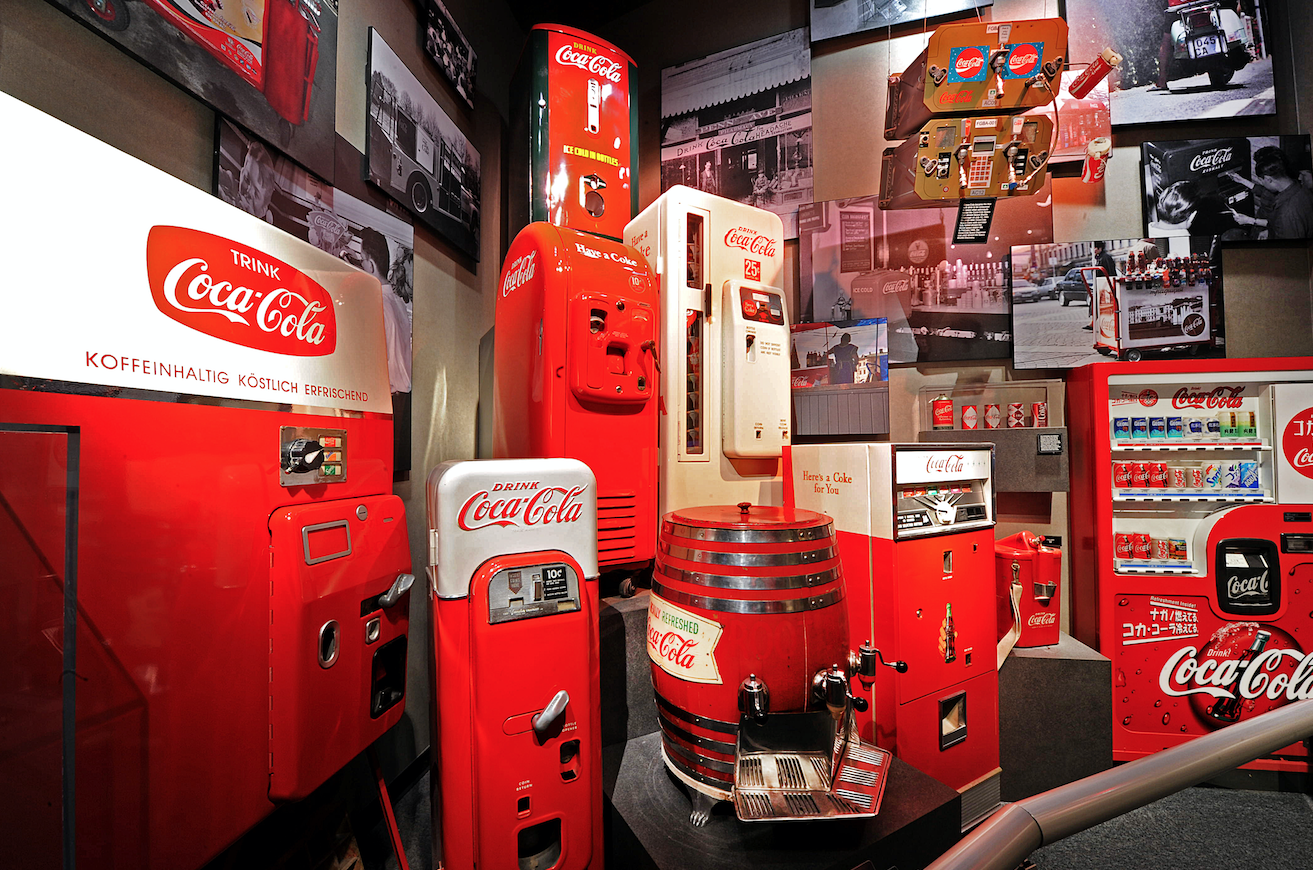
Step inside the vault of at the World of Coca-Cola for an interactive exhibit about the soda’s heavily guarded recipe. Patrons can view the bottling process, learn about brand history, view their favorite Coca-Cola ads from over the years, taste products from around the world, and see how the beverage has become a pop-culture icon. • Climb aboard the Atlanta Beer Bus for brewery tours that operate all weekend, allowing guests to hop on and off shuttles for 45-minute stops. On Saturday, four-hour tours allow up to 14 riders to speak to “Beer Nerds” for expert tips.
_____________________________________________________

Miami has reinvented itself from a party city to an artsy, chic, international vacation destination. Sure, you can still “party in the city where the heat is on,” but you can also nibble oysters at the renovated Four Seasons’ champagne bar, wile away the afternoon at an art museum, or browse for a new wardrobe at the Bar Harbour shops.
 At Little Haiti’s Fiorito (pictured), food is cooked and served by owners Maximiliano and Cristian Alvarez. That means dishes can take a while, but it’s well worth it. • Zak Stern is a legend in Miami’s Wynwood District, where his kosher baked goods have a loyal following. Patrons can take home a loaf at Stern’s bakery or head down the block to Zak the Baker and stay for a while, thanks to a menu of corned beef sandwiches, potato kugels and buttery croissants.
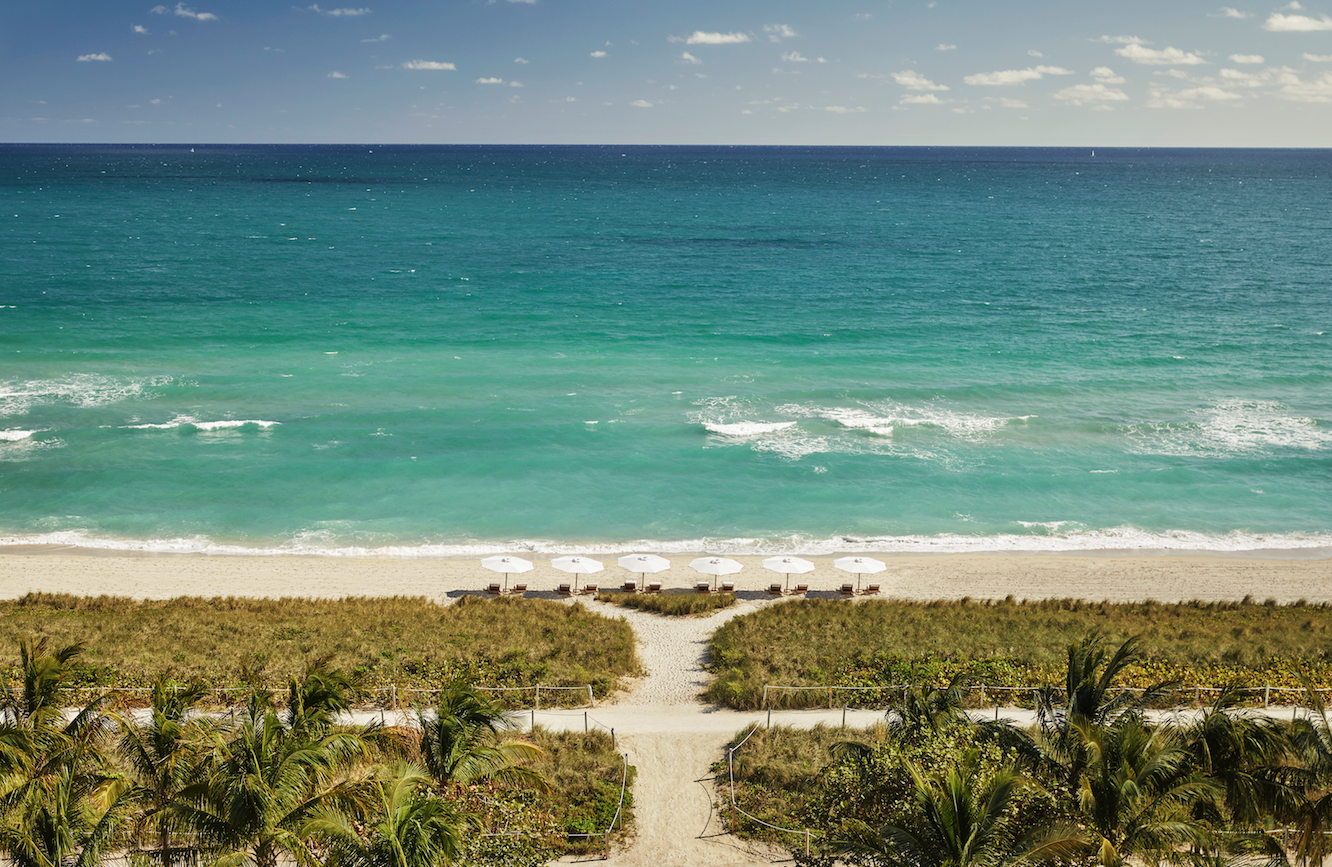
The Four Seasons Hotel at The Surf Club (pictured) was once a playground for the rich and famous—Frank Sinatra, Elizabeth Taylor, and the like. It’s since been restored to blend old Florida glamour with new modern designs. Even if you aren’t staying at the hotel, it’s worth a visit to dine at Le Sirenuse, a family-owned Italian restaurant straight from Italy’s Amalfi Coast. La dolce vita indeed. Rates begin at $450. • Fontainebleau is a “see and be seen” type of place but it’s also home to some of the city’s most reliable dining options, including the rooftop Hakkasan and the clubby Scarpetta, serving the deceptively simple, cult-favorite Spaghetti with Tomato Basil Sauce. Rates begin at $250.
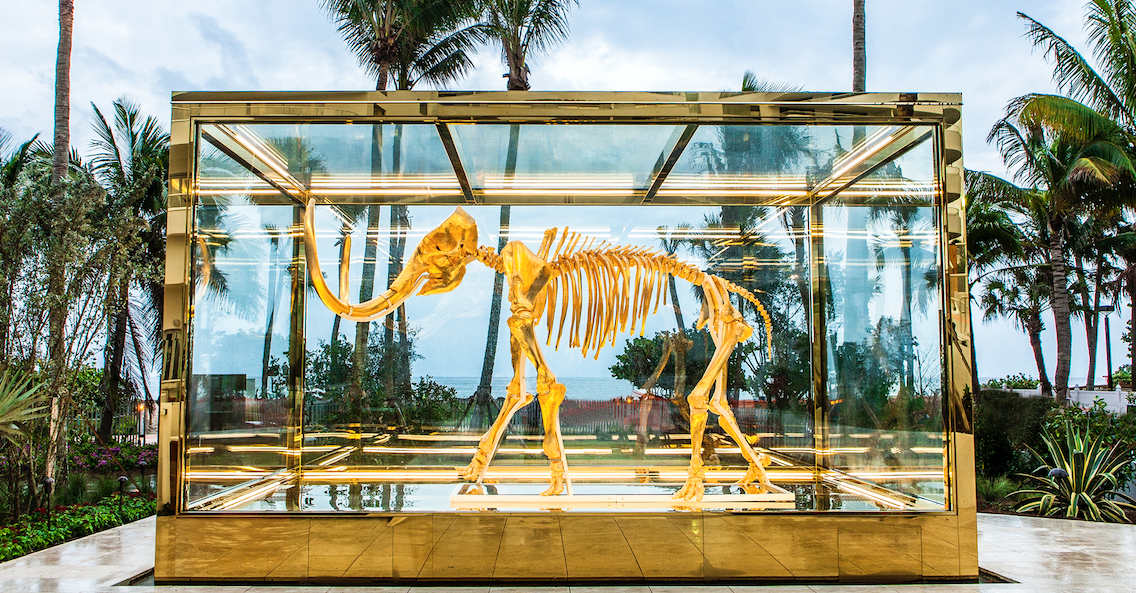
Peek inside the famed Moore Building in the Miami Design District. The historic venue was built in 1921 as a furniture showroom but is currently home to the Elastic installation by architect Zaha Hadid. • The Faena Hotel (pictured) is about as glamorous as it gets, with an art collection featuring works by Damien Hirst. “Gone but not Forgotten,” a gilded wooly mammoth skeleton, is installed outside and makes for an ideal photo backdrop.
_____________________________________________________

Mark Twain once said “New Orleans’ food is as delicious as the less criminal forms of sin.” Twain was right—the Big Easy isn’t lacking in culinary experiences, from Cajun style eats to hearty po’ boys. Fall is an ideal time to go to the city, too, thanks to numerous ghost tours and voodoo shops.
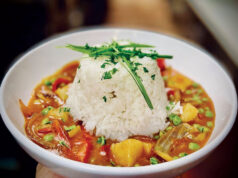
 In 1918 Count Arnaud, a wine salesman, opened the Creole restaurant Arnaud’s. In 1978, Archie and Jane Casbarian acquired the eatery, restored it and revamped the menu—and it has remained in the family ever since. Its rich history goes back to Prohibition, where cocktails flowed freely in private rooms, stories which are still told over meals there today. The wide menu offers something for every palette, but it’s not a trip to the French Quarter without a bowl of the gumbo. • Originally opened in 1862 in the French Quarter, Cafe du Monde (pictured) serves diners 24/7 at eight locations across New Orleans. It’s simple, no-frills and most people come for two things: beignets and coffee. The doughy treats are warm and doused in powdered sugar, making them more than worth every calorie.
 Hotel Peter & Paul (pictured) is so-named for its location—the renovated site of former Sts. Peter and Paul Catholic Church. The renovation consists of four buildings where no two rooms are exactly alike, with a heavy emphasis on culture, architecture, and history. On the ground floor of the former rectory sits The Elysian Bar, which offers a variety of wines, specialty cocktails, and a menu designed by Chef Alex Harrell. The small cafe on the old chapel side of the hotel serves coffee and fresh juice all day. Rates start at $174. • At 125 years old, The Roosevelt Hotel is the icon for grandeur in New Orleans. This Waldorf Astoria-operated property hosts 504 guest rooms each decorated with luxury in mind with modern amenities. After Hurricane Katrina devastated the area, The Roosevelt closed its doors until restorations were completed in 2009. Today, guests and locals alike can enjoy a drink at The Sazerac Bar, named after what is commonly believed to be the world’s first mixed drink. Rates begin at $196.
Doctor Gumbo offers food tours that stop at six restaurants for tastes of classic Creole dishes, local sandwiches, artisanal candy, and more. Of-age travelers can take the cocktail tour to see where the Grasshopper was first invented and enjoy cocktails by award winning mixologists. For the best of both worlds, Doctor Gumbo offers a food and cocktail tour which lasts four hours and visits seven different locations. You might need a nap after. • The non-profit Southern Food & Beverage Museum encourages visitors to discover and celebrate the food and drink culture of the South. Exhibits cover everything from how the cocktail has influenced art, film, music, politics, and theater globally to a tour through the early days of absinthe.
by Deanna Pisacreta